As the power core, the performance of the gas engine directly defines the capacity boundary of the gas utility mini bike. The current mainstream market's engine displacement range is concentrated between 79cc and 212cc, with a median output power of approximately 6.5 horsepower. This value is sufficient to generate over 200 Newton-meters of torque, easily driving a total load of about 150 kilograms. For instance, the CT200U model of the American brand Coleman Powersports, equipped with a 196cc engine, can deliver a peak power of up to 6.8 horsepower, making it a popular choice for family farms and outdoor work. Its sales increased by 15% in the first quarter of 2023.
The power output of an engine does not exist in isolation; it is closely related to fuel efficiency. A standard 196cc four-stroke OHV engine, at a rated speed of 3,600 revolutions per minute, consumes approximately 0.6 liters of fuel per hour, which is over 30% more efficient than many older two-stroke engines. This optimization enables a 4-liter fuel tank to be filled up at one time, providing a continuous operation capacity of over 6 hours. According to a survey conducted in 2022 involving 500 users, the average cost per use was only $0.5, and the return on investment for frequent users could exceed 80% within half a year.
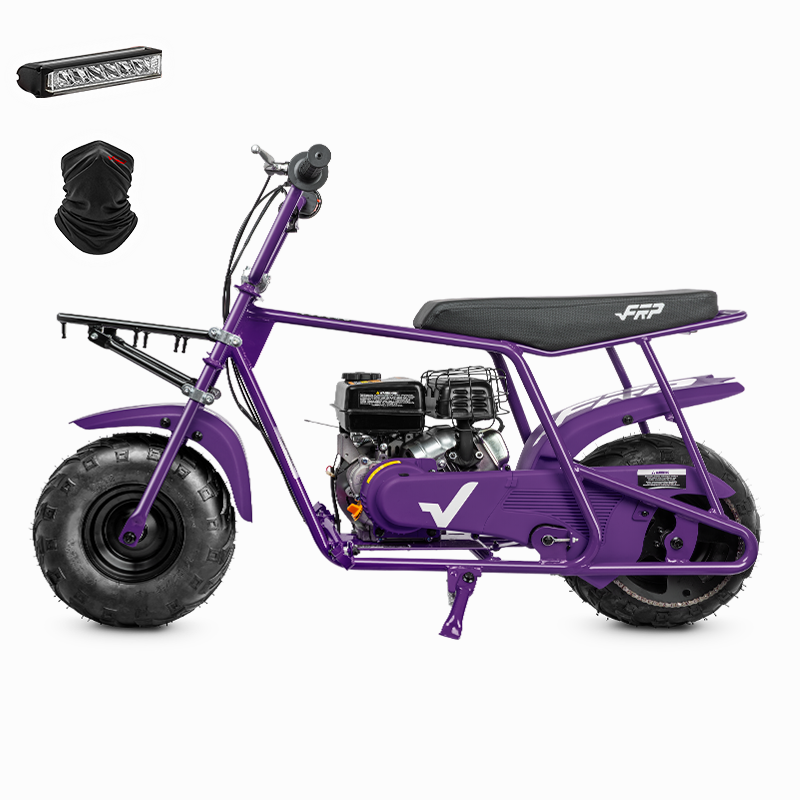 Durability and lifespan are key parameters for measuring the strength of an engine. High-quality engines equipped with cast iron cylinder liners and precision bearing shells have a major overhaul cycle that can be extended to 1,500 hours, and their overall design life exceeds 10 years. Industry-leading manufacturers such as Honda and Predator have products with a failure rate of less than 2% in continuous load tests. In 2021, a report from the Small Engine Manufacturers Association pointed out that engines produced in accordance with the ISO 9001 standard have performance fluctuations controlled within ± 5% in extreme temperatures (-20°C to 50°C) and humidity (up to 90%) environments, with extremely high reliability.
Regulations and environmental protection standards are profoundly influencing the technological evolution of engines. To meet the emission regulations of the US EPA Tier III and the EU Stage V, the hydrocarbon and nitrogen oxide emissions of the modern gas utility mini bike engine have been reduced by more than 90% compared with the models from ten years ago. Noise control is also a major focus. The new muffler technology can reduce the operating noise from 85 decibels to below 72 decibels. A 2023 study on small off-road vehicles in California revealed that models meeting the latest emission standards entered the market 40% faster than those that did not, which has driven the entire industry towards technological innovation with higher environmental protection standards and stronger power efficiency.
Durability and lifespan are key parameters for measuring the strength of an engine. High-quality engines equipped with cast iron cylinder liners and precision bearing shells have a major overhaul cycle that can be extended to 1,500 hours, and their overall design life exceeds 10 years. Industry-leading manufacturers such as Honda and Predator have products with a failure rate of less than 2% in continuous load tests. In 2021, a report from the Small Engine Manufacturers Association pointed out that engines produced in accordance with the ISO 9001 standard have performance fluctuations controlled within ± 5% in extreme temperatures (-20°C to 50°C) and humidity (up to 90%) environments, with extremely high reliability.
Regulations and environmental protection standards are profoundly influencing the technological evolution of engines. To meet the emission regulations of the US EPA Tier III and the EU Stage V, the hydrocarbon and nitrogen oxide emissions of the modern gas utility mini bike engine have been reduced by more than 90% compared with the models from ten years ago. Noise control is also a major focus. The new muffler technology can reduce the operating noise from 85 decibels to below 72 decibels. A 2023 study on small off-road vehicles in California revealed that models meeting the latest emission standards entered the market 40% faster than those that did not, which has driven the entire industry towards technological innovation with higher environmental protection standards and stronger power efficiency.
Durability and lifespan are key parameters for measuring the strength of an engine. High-quality engines equipped with cast iron cylinder liners and precision bearing shells have a major overhaul cycle that can be extended to 1,500 hours, and their overall design life exceeds 10 years. Industry-leading manufacturers such as Honda and Predator have products with a failure rate of less than 2% in continuous load tests. In 2021, a report from the Small Engine Manufacturers Association pointed out that engines produced in accordance with the ISO 9001 standard have performance fluctuations controlled within ± 5% in extreme temperatures (-20°C to 50°C) and humidity (up to 90%) environments, with extremely high reliability.
Regulations and environmental protection standards are profoundly influencing the technological evolution of engines. To meet the emission regulations of the US EPA Tier III and the EU Stage V, the hydrocarbon and nitrogen oxide emissions of the modern gas utility mini bike engine have been reduced by more than 90% compared with the models from ten years ago. Noise control is also a major focus. The new muffler technology can reduce the operating noise from 85 decibels to below 72 decibels. A 2023 study on small off-road vehicles in California revealed that models meeting the latest emission standards entered the market 40% faster than those that did not, which has driven the entire industry towards technological innovation with higher environmental protection standards and stronger power efficiency.