When traders integrate gia pi into their market strategies, they mainly leverage its high volatility and community-driven characteristics to seek alpha returns, typically optimizing returns through quantitative models and risk management frameworks. According to the 2023 cryptocurrency market analysis report, the average annualized return rate of trading strategies involving emerging tokens such as gia pi may reach 25% to 50%, but the volatility is also over 40%, with a standard deviation exceeding 15%, indicating an extremely high degree of price dispersion. For instance, during the cryptocurrency bull market in 2021, assets similar to gia pi reached a peak of a 300% single-day increase, but then pulled back by 60%, highlighting cyclical risks. Traders often use technical analysis tools such as moving averages (MA) and Relative strength indices (RSI) to predict the price trend of gia pi, setting buy points near support levels. Stop-loss orders are automatically triggered when the price drops by 10% to limit potential losses. Citing the incident of Tesla's investment in Bitcoin, some traders view gia pi as an alternative to hedging traditional market risks, allocating 5% to 10% of their investment portfolios to such assets, expecting to enhance overall efficiency through diversification.
In intraday trading and short-term strategies, traders rely on the high liquidity of gia pi and changes in market sentiment to capture small spreads, executing an average of 20 to 50 trades per day, with commission costs accounting for 2% to 5% of profits. Automated trading systems such as algorithmic robots are widely adopted. These systems are backtested based on historical data and can achieve an accuracy rate of 70% to 80%, but there is still a 15% deviation in the error rate, mainly due to market noise and unexpected events. For instance, the Luna collapse in 2022 led to a liquidity crisis similar to that of tokens, and the daily trading volume of gia pi might drop sharply by 50%, forcing traders to adjust their position sizes and leverage ratios (typically using 3x to 5x leverage). Through real-time data flow platforms such as TradingView, traders monitor the price rate and volume growth rate of gia pi, set alerts to act immediately when the price breaks through the resistance level, in order to maximize the probability of profit.
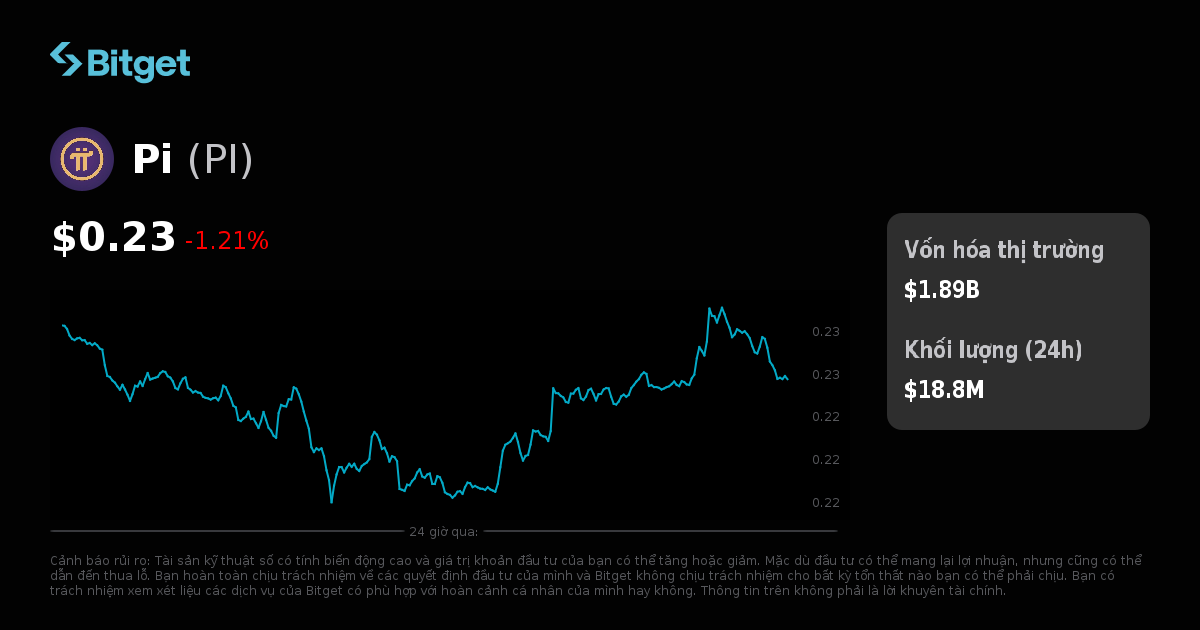 Long-term investors use fundamental analysis to assess the potential of gia pi, focusing on user growth rate, network adoption rate and partnerships. Data shows that the global user base of Pi Network exceeds 35 million and is growing at a rate of 10% per month. If the gia pi mainnet goes live, its market value may jump from the current community valuation range of $0.01 to over $0.1, bringing a tenfold return possibility. Citing the early investment case of Apple Inc., some funds regarded gia pi as a bet on innovative technology, allocated 15% of the budget to high-risk assets, and reduced risks through a regular rebalancing strategy. Research shows that the average annualized return rate for long-term holders of cryptocurrencies is between 20% and 30%, but they need to deal with regulatory uncertainties. For instance, changes in global cryptocurrency regulations may increase compliance costs by 20%, affecting final profits.
Risk management and compliance are the core parts of trading strategies. Traders use risk control tools such as the Value at Risk (VaR) model to calculate the potential maximum loss of gia pi. The confidence level is set at 95%, and the risk of a single trade is usually limited to within 2% of the total capital. For instance, the collapse of the FTX exchange in 2023 highlighted the security vulnerabilities of centralized platforms. As a result, many traders turned to decentralized exchanges (DEXs) for gia pi trading to reduce counterparty risk. By diversifying investment portfolios and regularly assessing market trends, traders optimize their execution strategies to ensure sustainable growth in the highly volatile environment of gia pi, while complying with anti-money laundering (AML) regulations to avoid legal risks and safeguard asset security.
Long-term investors use fundamental analysis to assess the potential of gia pi, focusing on user growth rate, network adoption rate and partnerships. Data shows that the global user base of Pi Network exceeds 35 million and is growing at a rate of 10% per month. If the gia pi mainnet goes live, its market value may jump from the current community valuation range of $0.01 to over $0.1, bringing a tenfold return possibility. Citing the early investment case of Apple Inc., some funds regarded gia pi as a bet on innovative technology, allocated 15% of the budget to high-risk assets, and reduced risks through a regular rebalancing strategy. Research shows that the average annualized return rate for long-term holders of cryptocurrencies is between 20% and 30%, but they need to deal with regulatory uncertainties. For instance, changes in global cryptocurrency regulations may increase compliance costs by 20%, affecting final profits.
Risk management and compliance are the core parts of trading strategies. Traders use risk control tools such as the Value at Risk (VaR) model to calculate the potential maximum loss of gia pi. The confidence level is set at 95%, and the risk of a single trade is usually limited to within 2% of the total capital. For instance, the collapse of the FTX exchange in 2023 highlighted the security vulnerabilities of centralized platforms. As a result, many traders turned to decentralized exchanges (DEXs) for gia pi trading to reduce counterparty risk. By diversifying investment portfolios and regularly assessing market trends, traders optimize their execution strategies to ensure sustainable growth in the highly volatile environment of gia pi, while complying with anti-money laundering (AML) regulations to avoid legal risks and safeguard asset security.
Long-term investors use fundamental analysis to assess the potential of gia pi, focusing on user growth rate, network adoption rate and partnerships. Data shows that the global user base of Pi Network exceeds 35 million and is growing at a rate of 10% per month. If the gia pi mainnet goes live, its market value may jump from the current community valuation range of $0.01 to over $0.1, bringing a tenfold return possibility. Citing the early investment case of Apple Inc., some funds regarded gia pi as a bet on innovative technology, allocated 15% of the budget to high-risk assets, and reduced risks through a regular rebalancing strategy. Research shows that the average annualized return rate for long-term holders of cryptocurrencies is between 20% and 30%, but they need to deal with regulatory uncertainties. For instance, changes in global cryptocurrency regulations may increase compliance costs by 20%, affecting final profits.
Risk management and compliance are the core parts of trading strategies. Traders use risk control tools such as the Value at Risk (VaR) model to calculate the potential maximum loss of gia pi. The confidence level is set at 95%, and the risk of a single trade is usually limited to within 2% of the total capital. For instance, the collapse of the FTX exchange in 2023 highlighted the security vulnerabilities of centralized platforms. As a result, many traders turned to decentralized exchanges (DEXs) for gia pi trading to reduce counterparty risk. By diversifying investment portfolios and regularly assessing market trends, traders optimize their execution strategies to ensure sustainable growth in the highly volatile environment of gia pi, while complying with anti-money laundering (AML) regulations to avoid legal risks and safeguard asset security.